Slab Leak Detection in Port Arthur, TX
Guesswork has no place when dealing with water lines pressurized beneath concrete. Our acoustic, electromagnetic, and thermal diagnostic procedures locate subterranean pipe breaches with surgical accuracy before any floor is disturbed.
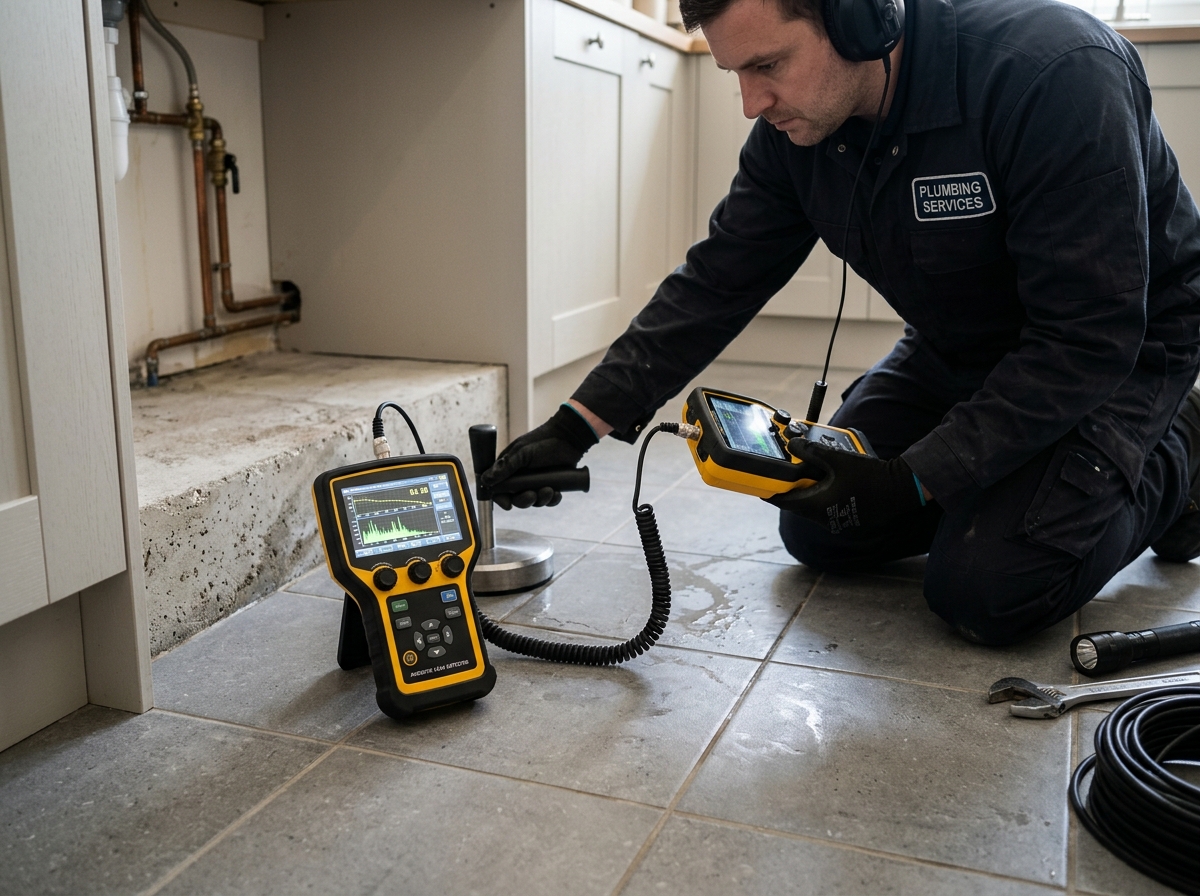
Precision Electronic Leak Detection in Port Arthur
Finding a pinhole rupture deep beneath a monolithic slab requires sensitive acoustic and thermal engineering.
When dealing with a suspected leak beneath your home's foundation, the biggest mistake a homeowner can make is allowing exploratory digging or random jackhammering. True electronic leak detection Port Arthur technicians rely on non-destructive methods to find the exact coordinates of escaping water without damaging expensive tile, wood flooring, or concrete footings.
Our approach starts with a systematic slab leak test Port Arthur protocol. We check the water meter's low-flow dial, apply digital pressure sensors directly to the plumbing manifold, and isolate hot versus cold lines. Once the specific distribution line losing pressure is verified, acoustic ground microphones amplify subterranean water hiss, while infrared imaging tracks localized heat patterns radiating upward through the concrete.
Precision leak under slab detection Port Arthur testing protects your home from unnecessary destruction. By isolating the exact location, we can recommend whether a direct, targeted spot repair or an overhead line bypass is the most cost-effective path forward for your home's slab leak repair in Port Arthur.
Diagnostic Steps We Perform
- Hydrostatic Pressure Testing: Measuring micro-drops in system pressure to confirm an active subterranean leak.
- Line Isolation: Differentiating hot water lines from cold water supply branches.
- Acoustic Listening Discs: Filtering ambient background frequencies to hear water escaping pressurized pipes.
- Thermal Infrared Scanning: Mapping thermal plumes radiating from sub-slab hot water lines.
- Electromagnetic Pipe Tracing: Mapping the physical path of metallic and non-metallic underground lines.
What Your Written Leak Detection Report Includes
Clear documentation is vital for understanding your repair options and filing insurance claims.
Exact Leak Mapping
We document the exact coordinates of the compromised pipe segment beneath your floor plan, including distance measurements from structural walls and plumbing fixtures.
Pressure Logs & Evidence
The report includes photographic proof of thermal scans, moisture meter readings, and pressure decay charts verifying that the domestic pressurized supply line is actively compromised.
Remediation Recommendations
We outline clear remediation options, comparing targeted access against a non-invasive slab leak reroute or an overhead whole-house repipe, providing full details for slab leak insurance documentation.
Frequently Asked Questions About Slab Detection
Answers to common homeowner questions regarding non-invasive leak location.
How accurate is electronic acoustic leak detection?
Modern electronic acoustic listening discs combined with pipe locators can generally locate a high-pressure water leak beneath concrete to within a footprint the size of a dinner plate. This precision ensures that if concrete access is required, only a small targeted opening is made.
Do I need to turn off my water before the technician arrives?
If you have active flooding or water visibly surfacing through your flooring, shutting off your main valve is crucial to prevent structural damage. However, during the actual diagnostic appointment, the technician will need access to pressurized water to run acoustic and thermal tests.
What is the difference between supply line and drain leak detection?
Pressurized supply lines are tested using acoustic ground microphones and digital pressure drop tests. Drain lines are not pressurized; locating leaks in sub-slab sewer pipes requires hydrostatic sewer testing and camera inspections. Learn more on our cast iron pipe replacement page.